| |
|
June 26, 2026 • No hype, just perspective. |
Micron’s Record Margin Is Now a Line Item on Your Receipt Micron just posted an 84.9% gross margin, the highest in its history. Within 48 hours, Apple raised MacBook and iPad prices by up to $300 and Microsoft lifted Xbox by as much as $150 — both blaming memory costs. The same week, core inflation hit a 32-month high. The AI build-out stopped being a Wall Street story and became a checkout-line one. |
|
From Our Partners |
 |
|
Investor briefing · Cleantech
This isn’t just smart home. It’s cleantech.
Roughly $35 billion in heating and cooling energy escapes through U.S. windows every year. RYSE’s AI-driven shading cuts up to 24% of cooling load. The share price recently rose to $2.50, up from $2.45.
Buildings account for 75% of U.S. electricity use, and 92% of window shades are still controlled by hand. Nobody is around to lower them when the sun heats a room or raise them to capture natural light.
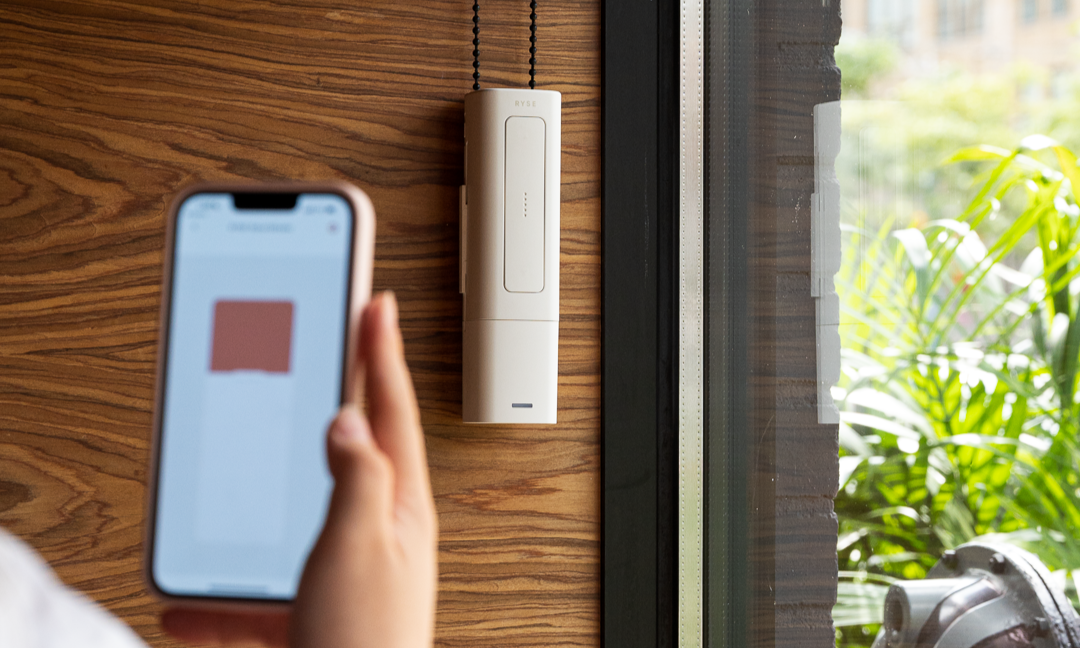
RYSE retrofits existing window coverings with patented robots that learn user routines and use sensor data to manage light, heat, and privacy automatically. The result is up to 24% lower cooling energy and 20% lower lighting energy.
That impact earned RYSE a CAD $4M (~$3.2M USD) cleantech grant, non-dilutive and non-repayable. Today the Reg A+ round is open at $2.50 per share ahead of a potential listing under reserved Nasdaq ticker $RYSS.
24% Energy savings |
$3.2M Cleantech grant |
$15M+ Revenue |
10 Patents granted |
|
Current pre-IPO share price
| $2.50 / share |
Next increase ahead |
|
~$1,002 minimum · IRA eligible · No lock-up · Bonus shares available
Bonus shares program
| $2,500 | +10% bonus shares |
| $10,000 | +20% · effective $2.08/share |
| $100,000 | +40% · effective $1.79/share |
| $250,000 | +50% · effective $1.67/share |
Read the offering circular and risk disclosures at invest.helloryse.com.
Important disclosures. This is a paid advertisement for RYSE Inc. made pursuant to a Regulation A+ offering and involves risk, including the possible loss of principal. The valuation is set by the Company; there is currently no public market for the Company’s Common Stock. Nasdaq ticker “$RYSS” has been reserved by RYSE; any potential listing is subject to future regulatory approval and market conditions. Energy savings figures reflect studies of automated shading and may vary by building, climate, and use. SEC qualification does not constitute SEC approval of the merits. RYSE Inc., 96 Spadina Avenue, Suite 500, Toronto, ON M5V 2J6, Canada
|
|
The Scoreboard |
• Micron: Revenue of $41.46 billion, up 346% from a year ago and a fifth straight quarterly record. Adjusted EPS of $25.11 against roughly $20.49 expected. Gross margin of 84.9%, a company record, higher than Nvidia’s. Q4 guidance: about $50 billion in revenue and $31 in EPS. The stock rose 17% Thursday to a fresh high near $1,200.
• The Pass-Through: Apple raised prices on Macs and iPads by up to $300, its first mid-cycle hike in decades, calling component costs “unsustainable.” The base MacBook Pro went from $1,699 to $1,999. Microsoft lifted Xbox by $100 to $150 starting August 1. Both cited memory and storage chips by name.
• Inflation: May core PCE rose to 3.4% year-over-year, the highest since October 2023. Headline PCE hit 4.1%, the highest since April 2023. Both landed in line with consensus. The monthly core reading was 0.3%, up from 0.2% in April.
• The Split: The Dow rose 0.14% to 51,920.62, a record intraday high, on Caterpillar (+5.8%) and health care. The S&P 500 was flat at 7,357.49. The Nasdaq fell 0.46% to 25,358.60, its fourth straight decline, dragged by Apple (–6.1%) and Microsoft (–3.2%).
• Today: Final June University of Michigan consumer sentiment at 10 a.m. The preliminary read was 48.9, off May’s all-time low of 44.8. Brent crude eased below $75, on track for a third straight weekly drop. The 10-year Treasury yield sits near its April lows.
|
|
Details |
The Tax Nobody Voted On
On Wednesday night, Micron told the market its gross margin had reached 84.9% — a number a memory company has no business printing. A year ago that figure was 39%. The stock jumped 17%. By Thursday afternoon, Apple’s online store briefly went dark and came back with new prices: the base MacBook Pro up $300, the iPad Pro up $200, the entry MacBook Neo up $100 from where it launched in March. Hours later Microsoft raised Xbox by as much as $150. Both companies pointed at the same cause Micron was celebrating. The chipmaker’s windfall and the consumer’s price hike are the same dollar, moving in opposite directions.
Where the margin comes from. Micron is not earning an 84.9% margin because it got better at making chips. It is earning it because the AI data-center buildout has bought up so much memory capacity that there is not enough left for laptops and game consoles. Suppliers are steering production toward the high-bandwidth memory that goes into AI servers, and the conventional DRAM and NAND that go into consumer devices have gone scarce. According to TrendForce, conventional DRAM contract prices jumped roughly 90% in early 2026. One PC maker said memory went from about 15% of a laptop’s parts cost to roughly 35% in a single quarter. That is the mechanism. The scarcity that makes Micron rich is the scarcity that makes a MacBook cost more.
Why this is different from a stock story. For two years the AI trade has been a closed loop: hyperscalers spend on chips, chipmakers report records, the index climbs. The money stayed inside the market. What happened Thursday is the loop springing a leak into the real economy. Tim Cook told the Wall Street Journal on June 17 that the cost situation had become “unsustainable” and that he had never seen anything like it in over 40 years. When a company that has spent a decade refusing to raise sticker prices mid-cycle does exactly that, the signal is not about Apple. It is that the most efficient supply chain on earth has run out of room to absorb the cost. The next stop is the buyer.
The timing is the tell. This landed the same morning core PCE printed 3.4%, its highest since October 2023. The accepted story all month has been that 2026 inflation is an energy story — oil spiked on the Iran war, oil is now falling, so inflation peaks here and fades. Brent has dropped below $75 and is heading for a third straight weekly decline. That thesis may still hold for the headline number. But the memory pass-through is a second source of pressure that has nothing to do with oil and will not reverse when crude does. Electronics are a real slice of the consumer basket, and the price increases announced Thursday do not show up in May’s data — they show up in the summer and fall prints, after the energy relief is supposed to have arrived.
What it means for the 60/40 holder. The index masked all of this. The Dow set a record while the Nasdaq logged a fourth straight loss, because the Dow does not hold much Apple and the Nasdaq is built on it. If you own a broad market fund, you owned both sides Thursday: the chip names that benefit from scarce memory and the device makers whose margins it squeezes. That is not a hedge, it is an offset, and it can mask a real shift in where earnings are flowing. Meanwhile a six-month Treasury bill still pays about 3.8%, and the Fed, which took a 2026 cut off the table and signaled a possible hike, now has a second, oil-independent reason to stay tight. Duration does not get cheaper in that setup.
The AI boom spent two years as a number on a screen. This week it became a number on a price tag. Micron’s 84.9% margin and Apple’s $300 are the same event seen from two ends of the same wire — and the consumer end does not show up in the inflation data until after everyone has declared the peak.
|
|
Harold Winston Thirty years advising individual investors. Now reads markets for a living. Stay grounded while markets move fast. |
|